
There are few words I have been able to find that adequately define Camp SAY. I am often asked what it is. My response often falls short. Let’s see if 2,000 words can do it any justice.
A summer camp for people who stutter? Yes, but I find that statement limiting.
I have seen people transformed by this community who have never interacted with something that stutters. They signed up for a Summer Camp experience to get paid, yet they walked away with a transformational and liberating experience.
I’ve been to two Camp SAYs on opposite sides of the globe, New York, and Melbourne. And although there are differences, the impact is unmistakable.
At both Camp Tel Yehuda and Log Cabin Camp, we’ve had their camp staff share that they have never worked with such incredible individuals, both staff and kids. Never have they seen kids treated in this way; respected, listened to and loved. Never have they been treated in this way, because we don’t just interact with the kids in this way, this is how we aim to treat everybody.
So, why is Camp SAY such a different experience to other camps, schools or the ‘outside’ world?
Truth is, I don’t know the answer, the philosophy is simple, but the story behind everyone who creates this community is much more complex.
For people who stutter, they have experienced a lot of pain. A lifetime of people; talking over them, being ignored, treated as if there is something wrong with them. A voice not worth waiting for. Every interaction comes with uncertainty. Uncertainty about how they will be treated. They are often mocked. Laughed at. Seen as broken.
From these experiences, it seems hard to predict the type of person they will become. They could very well become angry, shut off from the outside world, and develop a disdain for other people.
Who could blame them?
But for people who stutter, at least the ones that I have met, they have an extraordinary sense of compassion. They rarely judge on first impressions and they welcome people who are different, because they are too.
Now, it may be true that not everyone who comes to Camp SAY comes with this outlook. They often come im with a lot of their own baggage and have yet to see the power and magic they’re in store for. But, after spending time with our community, nearly everyone walks away with a new outlook, whether they stutter or not.
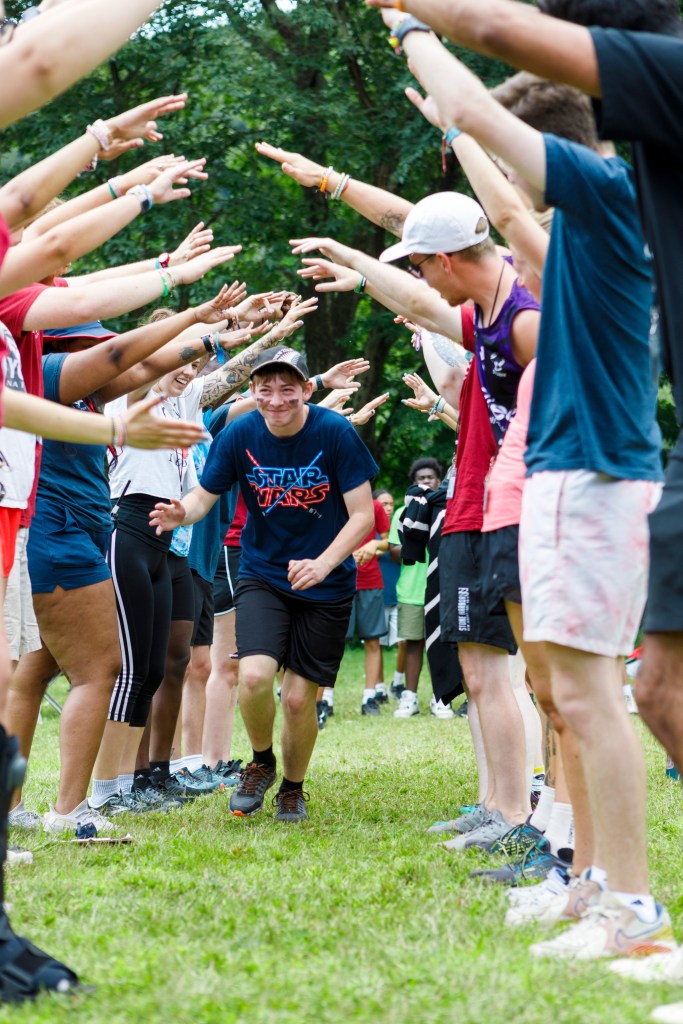
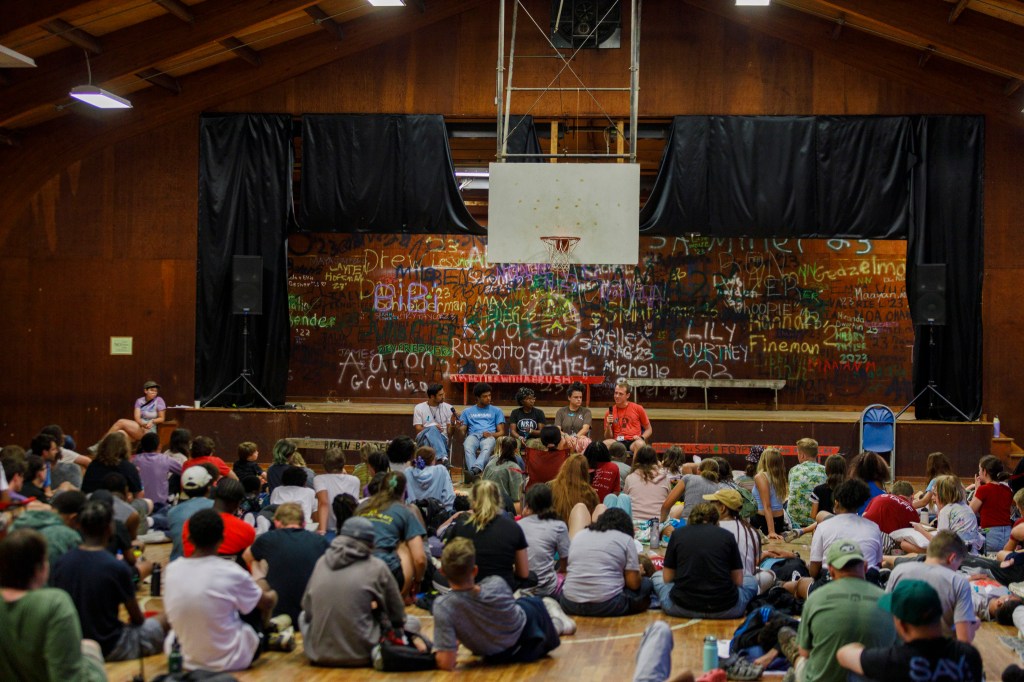


Over the past 20 years, SAY has built a community on a very simple philosophy. I’m paraphrasing here, but this is my lived interpretation of it.
Every voice matters, every voice deserves to be heard.
People have as much time as they need to speak and it is really, okay to stutter
Radical listening. This goes beyond the typical definition of listening. Wholeheartedly pay attention to what someone is saying. Do this with your eyes, body language, with every part of you. Listen as if it were the most important thing you had ever heard, every time someone talks.
Love everyone for who they are and what they bring.
Kindness, patience and compassion underpin every interaction.
Uniqueness and individuality is not only encouraged, it’s manufactured.
That is pretty much it. It may seem simple or cliché, but when it is the foundation of all that we do, it is powerful beyond measure. When you provide this space for kids and adults who have never been treated in this way, magic happens.
Magic is a word that you hear a lot at camp, but when you witness a transformation you never thought possible, it seems to be the only reasonable word.
Time and time again I witnessed kids walk into our world, having never interacted with someone who stutters or our community. They internalise everything, too afraid to speak, walking around with their head down, afraid of every interaction.
Within days, you see their world changing. Sometimes they have yet to share their voice, but you see their behavior change. Their gaze begins to tilt upward. With each waking day, they become less and less afraid, more eager to open up. They come as a caterpillar inside a cocoon, protecting themselves from what the harsh realities of their world. SAY gives them the confidence to break through that protective barrier, revealing their true beauty.
If you don’t know anything about the camp, I’ll give you a little rundown of what a typical day might look like. The important thing to remember is, it’s not what is done on camp, it’s how it is done. I’ll use the U.S. as an example.
We have 120 kids, pretty much all of whom are people who stutter (some allies/friends/family). Each child is assigned a bunk with kids of their age and sex. Each bunk has 8-12 kids, led by 2-3 bunk counsellors. This group becomes their family inside camp. They eat, sleep, play and rest together.
On any given day, there are 4-5 activity blocks. These include camp activities (think high ropes, zipline), choice activities (arts, sports, etc.), and ‘SAY’ activities (music, improv, fashion shows, shark tank etc.). We also try and give the campers free time, especially our leaders (16-18 yo).
Typical camp and choice activities are mainly for the kid’s enjoyment. It gives them time to have fun, test themselves, and interact with their peers. But, we aim to never drop the ball in our interactions. Every time someone is sharing or explaining an activity, full attention is required. There is simply no space for interruptions at Camp SAY. Admittedly, this is imperfect, of course, it’s going to be with young teenagers, but it is still what we strive for. The difference is we aim to do this with love and compassion, reminding our kids how beautiful and powerful it is to listen intently.
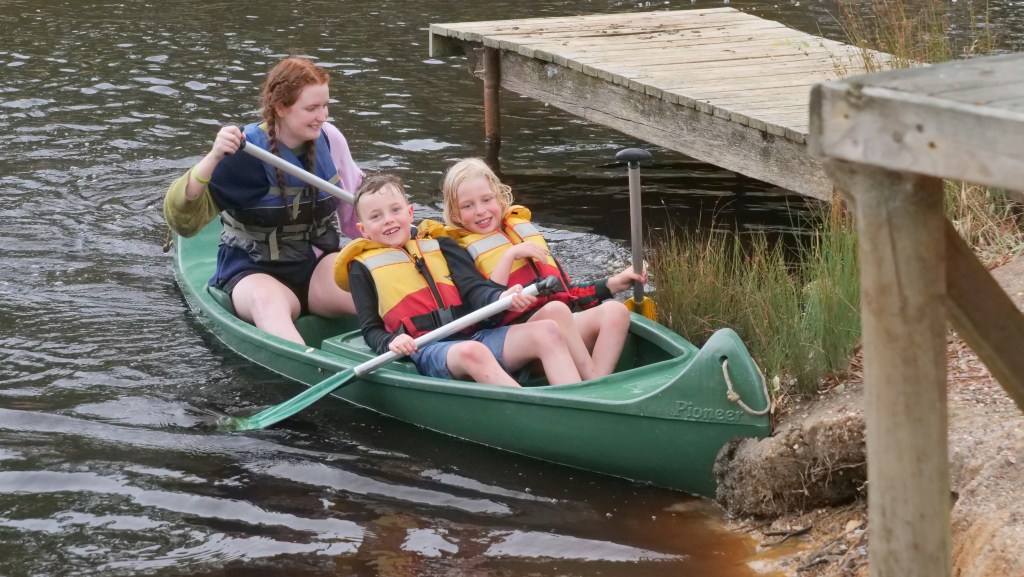
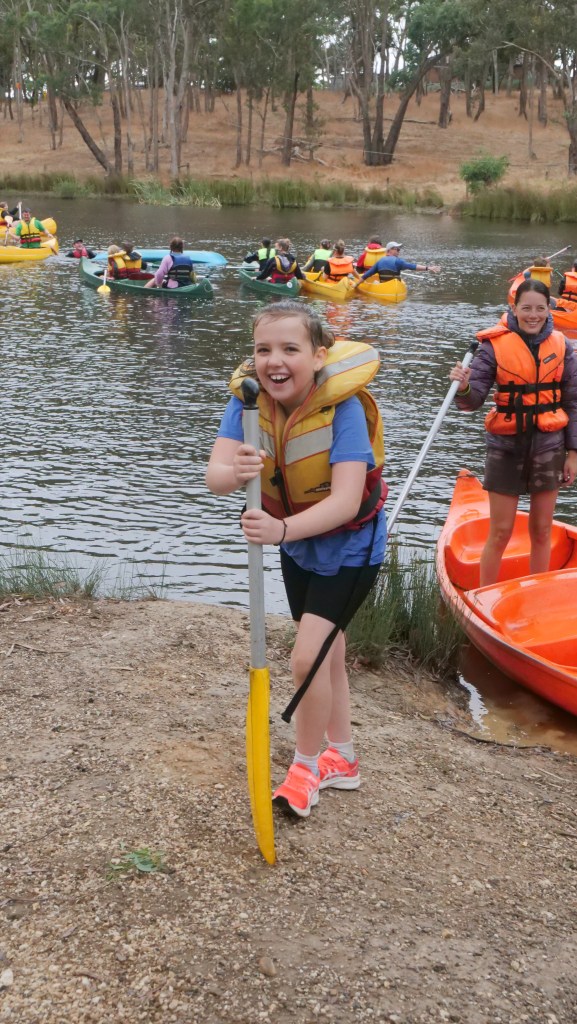


What really differentiates us is our ‘SAY’ activities. A lot of the founders and directors of SAY are extremely talented actors, singers, and musicians, and they saw how the arts allowed creative expression for a person who stutters. This is now one of the fundamental foundations that underpin the organisation. An important side note: talent is not a prerequisite to take part in these activities. In fact, for many of these kids, SAY is the first place they have had the opportunity to explore their creative side. The space embodies safety, and support, allowing the kids to express themselves without fear of ridicule. The community encourages the one who tries just as much as the one who has talent, sometimes even more so. We know how hard that first leap can be.
Beyond all of the activities, one of the most compelling aspects of camp is the conversations. For all the above reasons, as well as some I cannot explain, camp fosters some of the most insightful, vulnerable and inspiring conversations one could ever hope to have. Whether it’s with a 9 YO super, 18 YO leader, fellow bunk counsellor, or other staff members, it is hard not to be deeply moved by these conversations.
By creating a safe place for everyone to feel that they are seen, heard, and loved, it gives permission for people to be open and share the deepest part of themselves. I saw this time and time again. In training, eating meals, walking to activities, bunk chats, etc., anywhere and everywhere.
I nearly forgot! Bunk chats. This may be the most powerful, yet simple, aspect of camp. At the end of each day, each cabin comes together for a round circle chat with the bunk. It is pretty much exactly how it sounds, except it usually starts with a prompt or question from the bunk counsellors. For me, this is the most vital component of camp. This is where I saw the most magic. There is simply no place in the real world where these types of conversations take place in an environment that is so supportive and attentive. Where these kids are truly heard.
Prompts can be anything from talking about their deepest fears or insecurities, their role models, what they are passionate about, and what’s going on in their life right now, amongst many other things. The conversation of stuttering and its impacts undoubtedly come up, but it’s by no means the focus. We also like to provide the space for the kids to share openly, about anything they want. It can be as simple as what they enjoyed doing that day, or it can be much more personal. Within reason, there are no limits to these conversations, in terms of topic or time frame. I have had bunk chats start at 9:30 pm and continue into the early hours of the morning.
I struggle to find the right words to describe just how powerful these conversations can be. For the campers and counsellors alike. I think our world forgets just how insightful a young person can be. I have heard some of the most wise and powerful shares from our young people at camp.
For many of these kids, the world has simply not had the patience to let them share, without telling them how to speak or interrupting them. I think this is true for kids who speak fluently, also. I feel that we too often fail to treat these young people as equals, rarely giving them a chance to express themselves in the way they need most.
Camp not only teaches people how to express themselves, but it also teaches people how to listen. This has been my biggest lesson. Before camp, and even now, I catch myself mid-way through another person sharing, wanting to interject with what I want to share, as if what I have to say is somehow more important. This is something I still do, and it’s something I’m working on.
Often this comes from a place of love. We want to help the other person get to a destination we know they are trying to get to. An insight we already have. But in the process, we forget what our priority is: to listen. Giving them the space to work through it can be a huge opportunity for deeper understanding and development. Sometimes they offer a perspective you haven’t yet thought of, or they give you a deeper understanding of their experience, from their own perspective.
There were times when I forced myself to sit back and let the group steer the conversation, and trust me, it took a lot of effort. I wanted to help, support, and share so badly, but at what cost? By giving the group the time and space, we ended up at a place more magical than my words. Peers were now supporting each other, encouraging each other to be vulnerable and to show their authentic selves. They were steering the ship without our guidance, and it was being received in a more profound way than I could ever hope to deliver.
It is in these moments where the magic happens.
CAMPSAY embodies some of the best aspects of humanity, and I truly believe it needs to extend beyond the walls of people who stutter. There is simply no other place I have been to that fosters such incredible transformations.
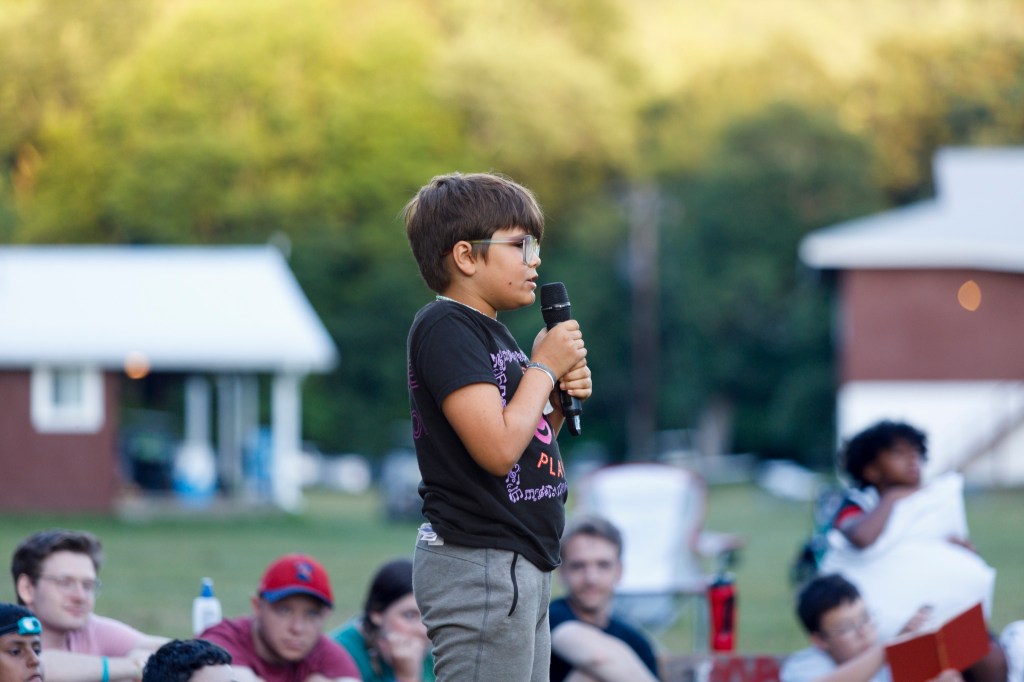
The final bonfire at Camp is the only proof anyone needs to see its power. This is a moment where every person is given the opportunity to speak in front of the whole camp. Normally, this would be an extremely stressful situation for a person who stutters. Hell, it can be nerve-wracking for anyone to vulnerably share in front of 100+ people into a microphone. Yet, time and time again, we see nearly everyone do so.
Camp changed my life
I felt comfortable to share my true, authentic self
Never have I felt the love I have felt here
This place is my home
I discovered a part of myself I didn’t know existed
It is okay that I stutter
My stutter has been my biggest teacher
Without Camp SAY, I would not be here
These are the common themes of the shares. There are tears, applause, embraces, tears (lots of tears) and the most love one could possibly feel.
And yes, Camp SAY has literally saved lives.
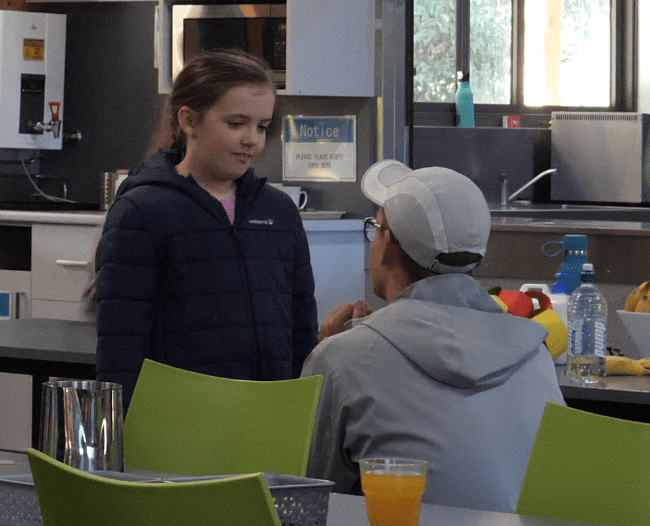

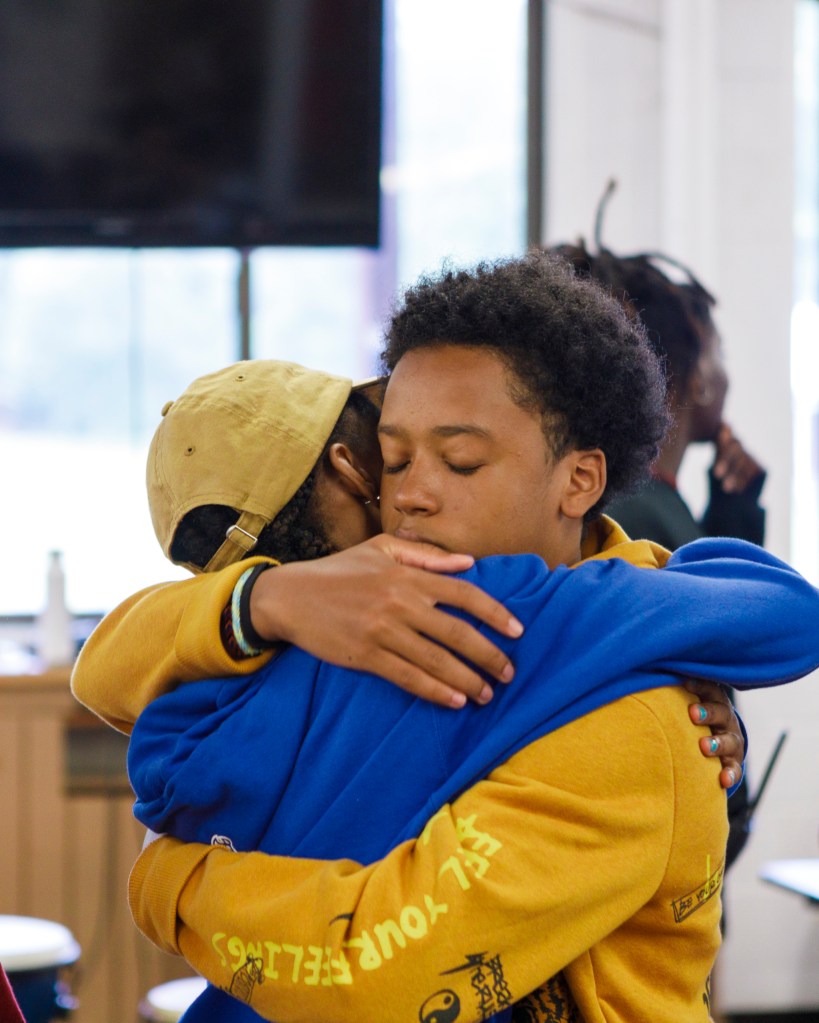
This place is for young people who stutter, yes. But everyone who walks away from this experience comes away with so much more than how to live in the world as a person who stutters. Camp SAY gives everyone the permission to love and be loved. To listen and to be heard. To walk in this world with confidence, knowing they have a community that deeply cares for them and loves them the way they are.
For more information, visit https://www.sayaustralia.org.au/say-australia-campsayau2023/ and https://www.campsay.org/
 Jackson Farley Blog